Lower baseline anxiety
Rhythmic mark-making downshifts the nervous system. Members typically report calmer evenings within three to four weeks.
New members get a free 20-minute intro call — no card required. Claim yours
Online art therapy for anxiety, burnout, grief and low mood. You bring a pen and paper; I bring 12 years of clinical practice. No art skill is required — the drawing is a doorway, not a performance.
No card required Cancel or pause anytime Confidential & encrypted
4.8/5 from 480+ members · 1,250 sessions held
“Draw the shape of this week.” — the opening prompt of every intro session.
Sunday Circle: Drawing Your Week
Sundays · 19:00 GMT+1 · 75 min
0%
of members report lower weekly anxiety after their first 8-week programme.
Therapy is one hour. The other 167 are where change is practised. Every membership includes a growing library of exercises, audio and video — streamed in your dashboard or downloaded for the days you are offline.
32 worksheets
Step-by-step prompts from 5 to 45 minutes, sorted by the feeling you are working with.
18 audio tracks
Body scans and grounding practices recorded to sit before or after making.
14 videos
Watch-along technique films — colour mixing, mark-making, working with watercolour.
26 PDFs
Between-session practice with reflection pages you can submit for feedback.
A handful of resources are free — no membership needed.
0+ resources and counting
New material added every fortnight
Sessions run in a private room — recordings are never made.
Art therapy is a recognised psychotherapeutic discipline. You make something simple — a colour field, a shape, a rough sketch — and then we look at it together. The image holds the feeling steady enough to examine, which is often easier than putting it straight into words.
It is especially useful when a feeling is hard to name: the low hum of burnout, grief that arrives sideways, anxiety with no obvious trigger, or the numbness that follows a long stretch of coping.
“No prior art experience is needed, just a desire to be creative.”
Skill is irrelevant. A scribble made honestly says more than a perfect portrait made to impress. Nothing you make is graded, and nothing leaves the session without your say-so.
“These sessions take place where art and therapy overlap”
An art class teaches technique. Art therapy uses the image as a starting point for a clinical conversation — the making is 20 minutes, the meaning-making is the rest.
“Meeting with a listened professional means each session is informed by the best evidence based practices.”
Yes. Controlled studies link art therapy to measurable reductions in anxiety, PTSD symptoms and burnout — it is recommended within several national mental-health guidelines.
Not a mood board of promises — these are the outcomes members name most often in their eight-week reviews, and the ones the research supports.
Rhythmic mark-making downshifts the nervous system. Members typically report calmer evenings within three to four weeks.
Trauma and grief often sit outside verbal memory. Image-making gives them a shape you can point at before you can describe it.
Every session ends with one portable technique — a breath, a prompt, a five-minute exercise you can use on a hard Tuesday.
Finishing something imperfect and being met with acceptance is quietly corrective. Repeat it weekly and the inner critic loses volume.
Group circles are capped at eight people. You can share the image and keep the story — belonging without over-disclosing.
Your private gallery and mood journal make change visible — month three next to week one is the most convincing evidence there is.
Unsure whether your situation fits? The intro call exists precisely for that question — and if this isn’t the right support, you’ll leave it with a referral that is.
Every route starts with the same free intro call, so you never commit to a format before you know it fits. Switch between them at any point in your membership.
Weekly live Zentangle sessions — structured pattern drawing for calm, mindful focus.
Weekly expressive art therapy in a small group — active emotional reflection through creative work.
A private hour with your own therapist, working to goals you set together in week one.
Four steps, no waiting list, no referral letter required.
A relaxed video call. You describe what’s going on, I explain how I work, and we decide together whether one-to-one or a group circle suits you. No sales pitch, no obligation.
Within 48 hours of booking
Pick the plan that fits how you want to practise — self-paced Zentangle tutorials, weekly live Zentangle or expressive art therapy groups, or private sessions with Grace. Month to month; change or cancel from your dashboard.
From $10 / month
Your dashboard shows the joining link, passcode and materials list. Meeting details unlock for enrolled members only, and a reminder lands 24 hours before.
Calendar invite included
Weekly exercises, guided audio and worksheets stay in your library. Log how you felt in the mood journal so the pattern is visible at your next review.
Library access included
Less than people expect. If cost is the barrier, ask about the sliding-scale places — four are held open every month.
Ask about sliding scale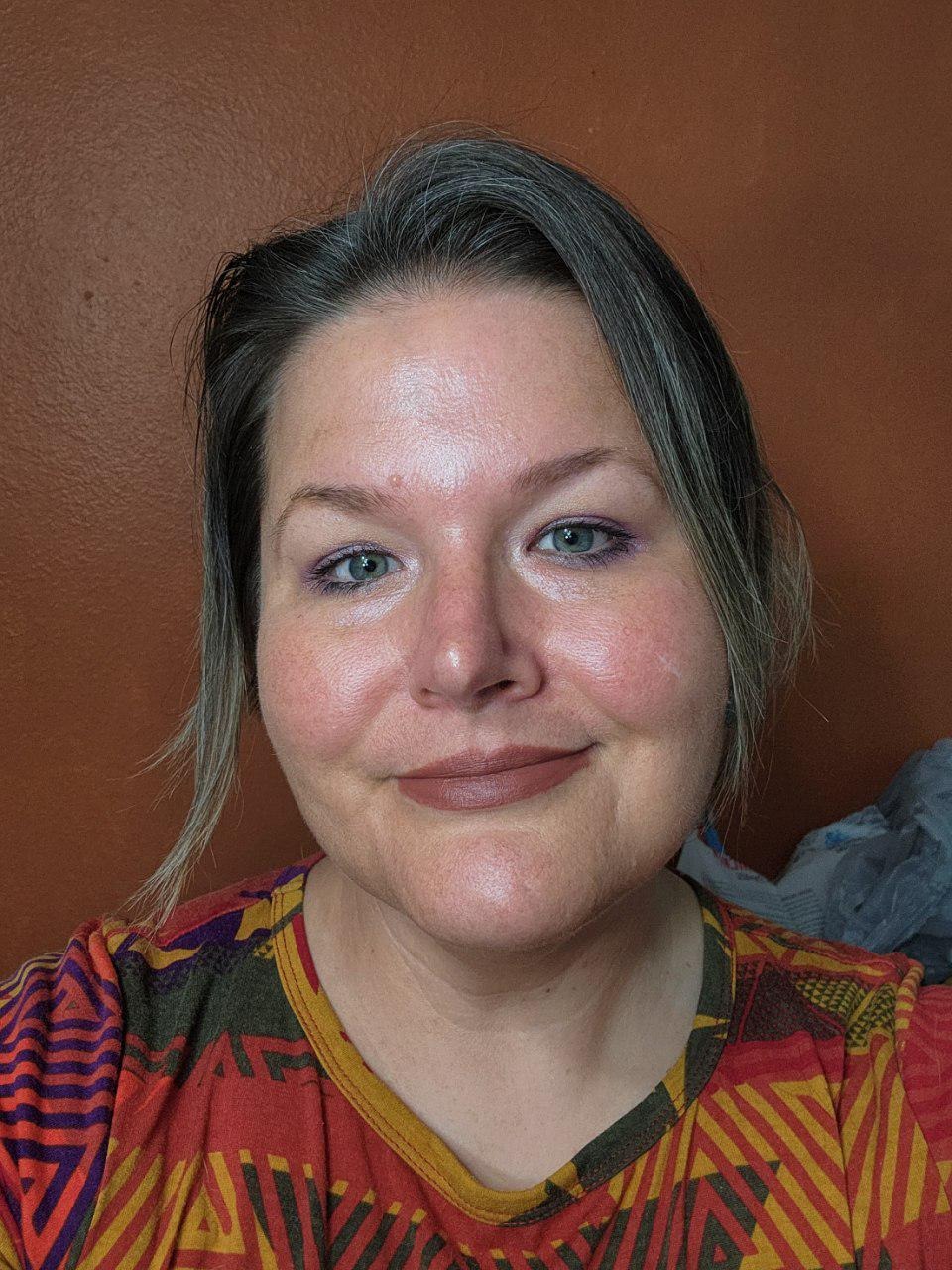
3
State Licenses (AZ, CA, FL)
QS
Qualified Supervisor
MSW
Expressive Arts Therapist
I am a Licensed Clinical Social Worker licensed in Florida (SW15586-QS), Arizona (LCSW-21902), and California (122605), as well as a Qualified Supervisor and Expressive Arts Therapist. At DrawMoar Studios, LLC in Brandon, FL, I facilitate telehealth and in-person individual and group therapy in private practice.
My clinical background includes pediatric and adult behavioral health at BayCare Morton Plant North Bay Recovery Center, telehealth counseling via BetterHelp, USF MSW field instruction, and leading community creative initiatives as Board President of Creative Junk Therapy and producer of "Junk Wars" at the Florida State Fair.
“You do not have to arrive with the right words. Bring the mess — we will find the shape of it together.”
Self-paced Zentangle tutorials, weekly live groups, or private sessions with Grace — pick what fits. Every plan is month to month; change or cancel it from your dashboard.
On-demand access to exclusive Zentangle tutorials and step-by-step guides. For self-paced learners who prefer independent practice.
Billed monthly, cancel anytime
Live Zentangle group sessions every week. For anyone looking for a routine of mindful drawing and focus.
Billed monthly, cancel anytime
Weekly expressive art therapy sessions. For individuals seeking active emotional reflection and creative healing.
Billed monthly, cancel anytime
Both live Zentangle sessions and Expressive Art Therapy sessions — save $30 a month.
$120 Save 25%
One hour of one-on-one expressive art therapy with Grace, twice a month.
Billed monthly, cancel anytime
Four reduced-fee places are held open every month for members on a low income.
Itemised invoices are generated automatically and accepted by most providers.
Pause a membership for up to 60 days without losing your library access or place.
Paying by Stripe, PayPal, SSLCommerz or bank transfer — all invoices land in your dashboard. See the full comparison
Practising under professional registration
Shared with permission. First names and identifying details have been changed — confidentiality does not end when someone feels better.
“I had talked about my burnout for two years without moving an inch. Six weeks of drawing it and I finally understood what I was protecting. I handed in my notice for the ward I hated, and I sleep now.”
“I joined expecting to feel ridiculous. Nobody looks at your drawing and judges it — they ask what it felt like to make. That question has done more for me than any app I have tried.”
“The evening circles fit around my son’s bedtime, and the recorded exercises got me through the weeks I could not attend. It is the first support in five years built for someone like me.”
“Grief made me mute. Colour did not ask me to explain myself, and Grace never rushed the silence. I came back to words about four months in.”
“Booking, joining, invoices — all of it takes seconds, which matters when technology usually defeats me. The Zoom link is simply there in my dashboard when I need it.”
“The private gallery is where I keep everything. Scrolling back to my first month is genuinely the proof I need on the bad days.”
Free exercises, plain-English explanations of the theory, and honest write-ups of how sessions actually run. Written by the therapist, not a content team.
Hatching, dotting, colouring in — the boring bits of drawing are doing the regulating. Here is what the research says about rhythm, attention and the vagus nerve.
Three columns, three colours, one honest quarter of an hour. A worksheet you can run before the week starts to find out what you are actually dreading.
A walk through a real 75-minute circle — the arrival check-in, the making, the shared reflection, and exactly how much you are ever asked to say.
Still unsure? The intro call is free and there is no pressure to continue afterwards.
No — and being “good” can occasionally get in the way, because polish hides what you actually feel. Stick figures and colour blocks work perfectly. Around seven in ten members have not drawn since school.
For most people, yes. Studies of remote art therapy show outcomes comparable to in-person work for anxiety and low mood, and being in your own space often makes it easier to be honest. If your situation needs in-person care, I will say so and refer you on.
We start with a short conversation about what brought you here and what you want to be different. Then a gentle 15–20 minute art task, followed by looking at it together. You will leave with one practice to try before the next session.
Paper and a pencil are genuinely enough to begin. After your intro call you will get a one-page starter list — most people spend under $20, and the library includes exercises for anyone working with only a pen.
On Zoom or Google Meet, whichever you prefer. The joining link, passcode and materials list appear in your dashboard once you are enrolled, and a reminder email arrives 24 hours before.
Yes. Sessions are never recorded, artwork you upload is private by default, and nothing is shared without your written consent. The only exceptions are the legal limits every therapist works within — serious risk to you or someone else.
Any time, from your dashboard. Cancelling stops the next payment and keeps your access until the end of the paid period. You can also pause for up to 60 days and keep your library and your place in a group.
Four sliding-scale places are held open each month for members on a low income. Send a short note via the contact form — there is no means-testing paperwork, and asking will never affect how you are treated.
Book circles, join with one tap, message Grace, keep your mood journal and private gallery, and open every worksheet and meditation — on iPhone and Android.
Twenty minutes, camera optional, no card details. You describe what is going on, I tell you honestly whether art therapy is the right fit — and if it is not, you leave with a referral that is.
Typical reply time: under one working day · Sessions available evenings & weekends